Smarter Mealtime: Arduino Precision for Happy Pets

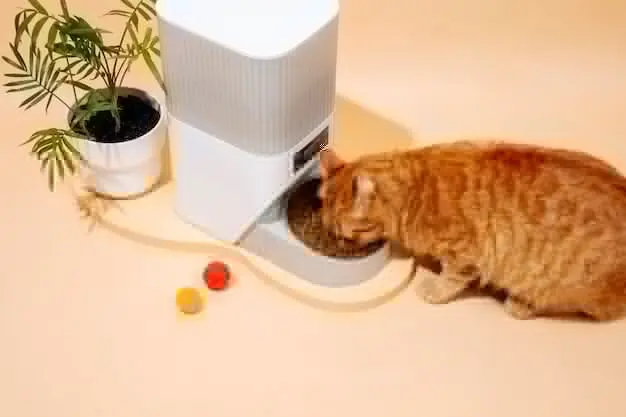
Today we are building a Smart Arduino-Powered Automatic Pet Feeder with Portion Control, turning guesswork into dependable routines your companion can trust. We will explore hardware architecture, firmware patterns, calibration techniques, quiet mechanics, and a friendly user experience. Expect practical tips born from real prototypes, plus small stories about what went wrong and how fixes stuck. By the finish line, you will deliver measured portions, reduce stress, and keep the warm rituals of care while technology quietly handles the repeatable chores.

Why Accuracy Changes Everything

Consistent portions influence weight, digestion, and energy far more than many households realize. Overfeeding creeps in a tablespoon at a time, while underfeeding saps playfulness and trust. With precise control, your pet’s day becomes predictable, and your planning becomes lighter. The result is fewer spikes in hunger or disappointment, easier vet conversations backed by data, and the calming rhythm of meals that arrive on time, in the right amount, with zero drama or midnight meows.

Hardware Blueprint: From Kibble Flow to Chew-Proof Wires

A great design begins with predictable movement of food and ends with easy cleaning. Kibble geometry, humidity, and static can clog basic chutes, so mechanics must encourage flow and stop precisely. Choose motors that balance torque with quiet operation, and sensors that verify every release. Favor food-safe materials, modular parts, and mounting that tolerates bumps from excited noses. When the enclosure resists chewing and the wiring resists paws, reliability becomes an everyday feeling, not a feature list.

Firmware That Feeds Reliably, Not Just Ideally
Elegant code still fails if it ignores mornings, outages, or curious paws. Build firmware that speaks in grams, schedules with real-time awareness, and records every event for accountability. Manage edge cases like incomplete doses, clock drift, and mid-cycle power loss with resilience first. Separate concerns clearly: scheduling, dispensing, sensing, and logging. Favor deterministic loops over fragile timing tricks. When logic anticipates reality, meals land on the mat exactly when promised, with fewer surprises and fewer apologetic treats.

Power Choices That Fail Gracefully

Use a quality DC supply, a buck converter for the logic rail, and generous decoupling near motors. Separate sensor grounds from noisy returns where possible. Add a polyfuse and reverse-polarity protection. A modest lithium pack or supercapacitor can bridge short blackouts. On restore, resume schedules without doubling a meal. Expose battery health in the app and warn early. Power architecture should be boring, predictable, and incredibly hard to accidentally break during a sleepy refill.

Connectivity That Respects Privacy

An ESP32 can host a local web interface, serve APIs over your home network, and cache schedules offline. Offer simple pairing with a temporary hotspot and a clear status LED. Prefer local-first control with optional cloud access for travel. Use secure defaults, strong passwords, and no surprise data sharing. Notifications should explain exactly what happened and why. When connectivity feels transparent and respectful, owners check in confidently, while pets remain blissfully unaware of routers and protocols.

Calibration, Testing, and Data You Can Trust

Accuracy grows from careful calibration and honest testing with real kibble under real conditions. Use known weights, then validate linearity at multiple setpoints. Run repeatability trials over full and nearly empty hoppers, logging variance. Simulate jams, power loss, and network outages on purpose. Keep test data accessible and meaningful to humans. When insights are recorded and reviewed, adjustments become small, confident nudges instead of anxious overhauls that unsettle routines and pets alike.

Scale Calibration the Right Way

Perform two-point calibration using a light and a heavier certified weight close to your operating range. Record raw ADC values and compute slope and offset carefully. Validate linearity by checking multiple intermediate weights, then lock calibration behind a deliberate confirmation gesture. Re-tare bowls before each session, and store metadata with timestamps. Good calibration is not glamorous, but it converts clever code and pretty mechanics into trustworthy grams your veterinarian and future self can believe.

Repeatability With Real Kibble

Kibble varies by shape, coating, and humidity, which shifts friction and flow. Test multiple brands and bag ages, capturing standard deviation for identical targets. If variance spikes when the hopper runs low, adjust auger speed or pulse lengths. Add a gentle pre-feed nudge to settle pieces before dosing. Document findings in your repo and inside the device menu. Repeatability work is where careful engineering meets patient curiosity, and pets benefit from every measured minute invested.

Care, Safety, and Community Iteration

A dependable feeder is easy to wash, hard to chew, and simple to update. Design for weekly cleaning without tools, use materials that tolerate hot water, and keep crumbs from reaching electronics. Shield pinch points and route cables through strain reliefs. Share designs, celebrate feedback, and ship small updates often. Invite readers to subscribe, ask questions, and contribute improvements. Together we refine the quiet details that make daily life smoother for whiskers, tails, and humans.

Hygiene That Keeps Pets Safe and Interested

Food residue encourages odors and curiosity, so build for rapid teardown and reassembly. Smooth seams, removable chutes, and dishwasher-friendly bowls prevent biofilm and stale flavors. Add desiccant in a ventilated hopper lid to fight humidity. Consider an ant moat or gasketed base if critters visit. A clean feeder smells neutral, preserves appetite, and reduces long-term wear. Post your cleaning checklist and frequency in the app, and invite owners to share time-saving tricks that actually stick.

Physical Safety and Pet-Proofing

Round every edge and tuck moving parts away from noses and toes. Use slow motor starts and guarded augers, then interlock the door so motion cannot begin while hands are inside. Choose cables with chew-resistant sleeves and strain reliefs at entries. Secure the base so excited pets cannot tip it. Add firmware limits for max daily grams to prevent accidental overfeeding. Safety is not a single feature; it is hundreds of considerate decisions working quietly together.


Pikatezahiferuzevahipitefu
Privacy Overview

This website uses cookies so that we can provide you with the best user experience possible. Cookie information is stored in your browser and performs functions such as recognising you when you return to our website and helping our team to understand which sections of the website you find most interesting and useful.