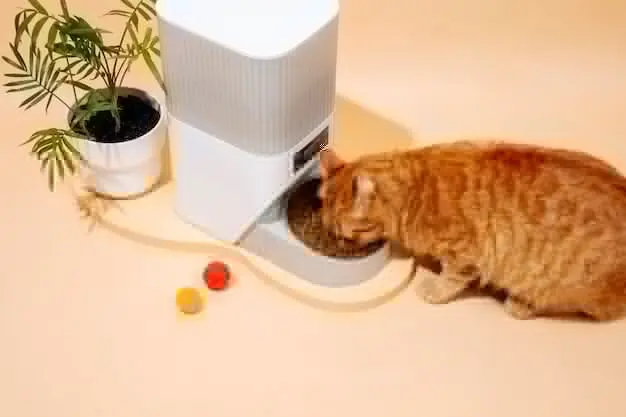
Make Mealtime a Mindful Adventure


Today we’re getting hands-on with DIY puzzle feeders to slow down fast-eating dogs, transforming frantic gulps into calm, rewarding problem‑solving. You’ll discover practical builds, safe materials, and gentle training steps that encourage patience without frustration. When I introduced a simple bottle spinner for Luna, her dinner stretched from forty‑five seconds to eight minutes, and her burps, hiccups, and anxious pacing disappeared. Expect quick wins, weekend projects, and ways to track progress. Share your results, ask questions, and subscribe for fresh build plans and community support.

Understanding Rapid Eating and Canine Wellbeing

Before crafting anything, it helps to grasp why some dogs inhale meals and why slowing them matters for comfort, safety, and happiness. Speed-eating increases choking risk, bloating, and poor digestion; it also fuels anxiety and guarding behaviors. Guiding dogs to problem-solve for food with engaging obstacles supports calmer arousal, gentler breathing, and better satiety. The right interventions lengthen meal duration, promote licking and sniffing, and create peaceful routines both you and your dog can enjoy.

Levels of Challenge Without Frustration

Start easy, then increase complexity gradually. Early successes build confidence and reduce frantic pawing. Add slightly smaller openings, sliding doors, or extra flaps as skills emerge. Offer frequent micro‑rewards so persistence pays quickly. Aim for just‑noticeable difficulty jumps, not dramatic leaps. The best builds make solving feel like a friendly puzzle where curiosity is constantly encouraged, and quitting never feels like the most appealing option.

Scent, Texture, and Sound Cues

Dogs lead with their noses. Incorporate perforations that release aroma, textured surfaces that slow licking, and soft rattles that suggest hidden treats without frightening sensitive ears. Felt strips, silicone ridges, and rubber nubs create varied resistance for tongues and paws. Transparent panels add visual intrigue, while muted, padded bases keep noise low. Each sense should guide discovery, signaling that gentle effort, patience, and experimentation are reliably rewarded.

Sizing for Breed and Snout Shapes

Match opening size and feeder depth to your dog’s face and paws. Brachycephalic breeds benefit from shallower angles and wider access; long‑muzzled dogs can work deeper channels. Consider paw width, jaw strength, and kibble size when drilling ports or cutting slots. Ensure stability so large dogs cannot flip the device, and keep components light enough for small dogs to nudge without strain or discouragement.

Materials and Tools That Put Safety First

Prioritize food‑safe materials, smooth finishes, and sturdy connections. Silicone, stainless steel, untreated wood sealed with food‑safe oils, and select PVC components can be appropriate when edges are rounded and surfaces sanded thoroughly. Avoid brittle plastics, loose screws, and adhesives not rated for food contact. Add non‑slip feet for stability and consider dishwasher‑safe elements for frequent cleaning. Basic tools like a drill, file, sandpaper, and clamps can take you impressively far while keeping build costs low.

Build Guides From Quick Wins to Weekend Projects

Choose projects that match your time and tools. Quick assemblies use common kitchen items and require almost no cutting. Intermediate builds add adjustable difficulty with drilled ports, sliders, and baffles. Advanced boxes incorporate channels, magnets, or rotating shafts for gradual complexity increases. Each guide highlights safety checks, supervision notes, cleaning tips, and troubleshooting steps to maintain motivation. You’ll create engaging experiences that steadily extend meal times without overwhelming your dog’s curiosity or confidence.

01

Ten‑Minute Muffin Tin Maze

Drop kibble into scattered wells, cover most with tennis balls or silicone cupcake liners, and leave a few partially open. Place the tin on a non‑slip mat to dampen noise. Dogs learn to nose or paw balls aside, collecting small wins. Vary positions, add crumpled paper, or stack shallow tins to extend duration. Supervise first sessions, praising curiosity and calm investigation rather than frantic pawing or chewing.

02

Rotating Bottle Spinner With Adjustable Ports

Thread sanded, label‑free bottles on a dowel suspended between two supports. Drill feeding holes slightly larger than kibble, then add tape to narrow them as skill grows. Secure the frame with wide feet and rubber pads. Introduce a few easy spins and generous rewards, gradually reducing payouts. Constantly check for sharp burrs around holes, retire dented bottles, and ensure the spinner rotates smoothly without pinching paws or whiskers.

03

Sliding Panel Box With Hidden Drawers

Build a shallow wooden box divided into lanes, then add sliding lids with finger rails and small magnets for gentle closure. Drill scent vents and create varied obstructions so kibble settles unpredictably. Sand every edge buttery‑smooth and seal with food‑safe finish. Begin with partially open panels, progressively closing them as confidence rises. Monitor for chewing, keep sessions upbeat, and celebrate focused problem‑solving over raw speed or brute force.

Shaping Patience With Micro‑Rewards
Mark small moments of calm—sniffing, pausing, tentative nudges—then deliver easy wins. Gradually raise criteria by asking for slightly longer engagement or softer paws before food appears. Keep the rate of reinforcement high early on to prevent frustration. If your dog whines or scratches feverishly, simplify immediately and end with success. Over days, patience becomes the fastest path to food, and thoughtful persistence replaces frantic gulping.

Preventing Resource Guarding Around New Gadgets

Guarding can emerge when novelty and hunger collide. Feed behind a baby gate, use tethering for distance, or work dogs separately before rotating turns. Trade up with tasty treats when you need to remove devices. Keep challenges easy while rules feel new, and praise relaxed body language. Avoid crowding, startling approaches, or sudden object removals. Clear management and predictable routines protect trust, ensuring curiosity remains safe, confident, and cooperative.

Adapting for Puppies, Seniors, and Dogs With Disabilities

Scale difficulty, height, and textures for bodies that need extra consideration. Puppies benefit from shorter sessions and large openings; seniors may prefer softer mats and elevated angles for arthritic necks. For visual impairments, emphasize scent trails and tactile guidance. For mobility challenges, favor stationary devices with gentle resistance. Reduce noise and weight for sound‑sensitive companions. The goal is accessible enrichment that feels welcoming, not exhausting, while still extending mealtime thoughtfully.

Maintenance, Metrics, and Community Feedback

{{SECTION_SUBTITLE}}
Sanitizing Routines That Stick

Create a repeating schedule: daily rinse after use, weekly deep scrub, and monthly inspection for burrs and cracks. Set reminders aligned with grocery trips or trash day. Keep a caddy stocked with brushes, food‑safe cleaners, towels, and sandpaper. Designate a drying rack so airflow prevents mildew. Consistent routines protect health, extend a feeder’s life, and ensure each session begins with trustworthy, inviting, and pleasantly scented equipment.

Tracking Progress With Simple Data

Use a stopwatch and quick notes: start time, finish time, visible frustration, and post‑meal calmness. Compare across devices to learn which textures and obstacles produce the most relaxed engagement. Celebrate percentage increases in meal length, even small ones. If duration plateaus, rotate difficulty or add novel cues. Over weeks, patterns emerge that guide smarter builds, personalized adjustments, and more harmonious routines shaped by evidence rather than guesswork.
Pikatezahiferuzevahipitefu
Privacy Overview

This website uses cookies so that we can provide you with the best user experience possible. Cookie information is stored in your browser and performs functions such as recognising you when you return to our website and helping our team to understand which sections of the website you find most interesting and useful.