Smarter Mealtime: Arduino Precision for Happy Pets

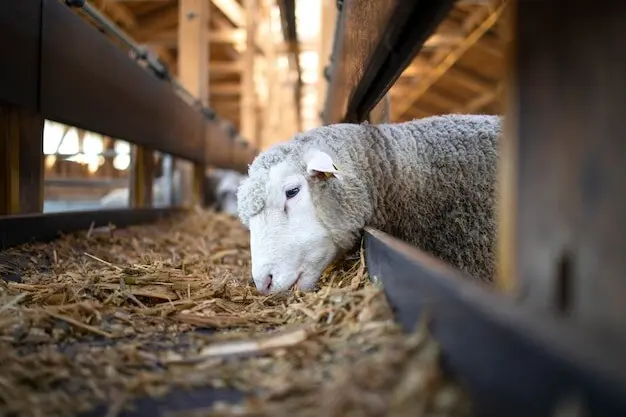
Why Accuracy Changes Everything
Hardware Blueprint: From Kibble Flow to Chew-Proof Wires
Firmware That Feeds Reliably, Not Just Ideally
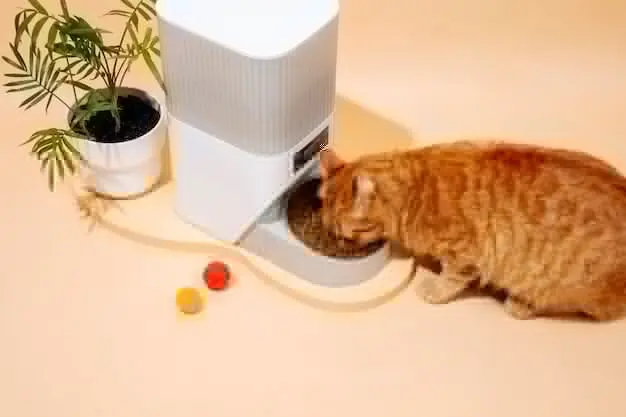
Power Choices That Fail Gracefully
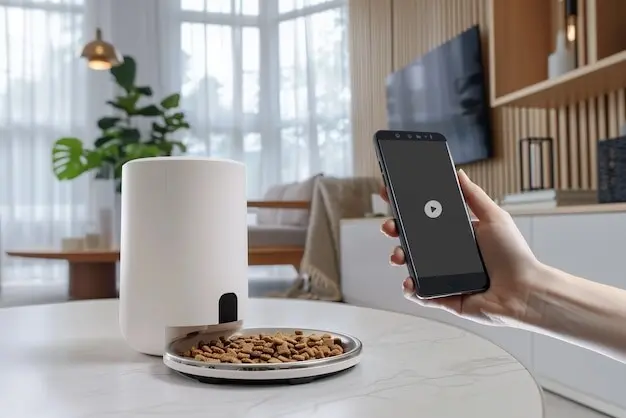
Connectivity That Respects Privacy
Calibration, Testing, and Data You Can Trust
Scale Calibration the Right Way
Perform two-point calibration using a light and a heavier certified weight close to your operating range. Record raw ADC values and compute slope and offset carefully. Validate linearity by checking multiple intermediate weights, then lock calibration behind a deliberate confirmation gesture. Re-tare bowls before each session, and store metadata with timestamps. Good calibration is not glamorous, but it converts clever code and pretty mechanics into trustworthy grams your veterinarian and future self can believe.
Repeatability With Real Kibble
Kibble varies by shape, coating, and humidity, which shifts friction and flow. Test multiple brands and bag ages, capturing standard deviation for identical targets. If variance spikes when the hopper runs low, adjust auger speed or pulse lengths. Add a gentle pre-feed nudge to settle pieces before dosing. Document findings in your repo and inside the device menu. Repeatability work is where careful engineering meets patient curiosity, and pets benefit from every measured minute invested.
Care, Safety, and Community Iteration
Hygiene That Keeps Pets Safe and Interested
Food residue encourages odors and curiosity, so build for rapid teardown and reassembly. Smooth seams, removable chutes, and dishwasher-friendly bowls prevent biofilm and stale flavors. Add desiccant in a ventilated hopper lid to fight humidity. Consider an ant moat or gasketed base if critters visit. A clean feeder smells neutral, preserves appetite, and reduces long-term wear. Post your cleaning checklist and frequency in the app, and invite owners to share time-saving tricks that actually stick.
Physical Safety and Pet-Proofing
Round every edge and tuck moving parts away from noses and toes. Use slow motor starts and guarded augers, then interlock the door so motion cannot begin while hands are inside. Choose cables with chew-resistant sleeves and strain reliefs at entries. Secure the base so excited pets cannot tip it. Add firmware limits for max daily grams to prevent accidental overfeeding. Safety is not a single feature; it is hundreds of considerate decisions working quietly together.


All Rights Reserved.